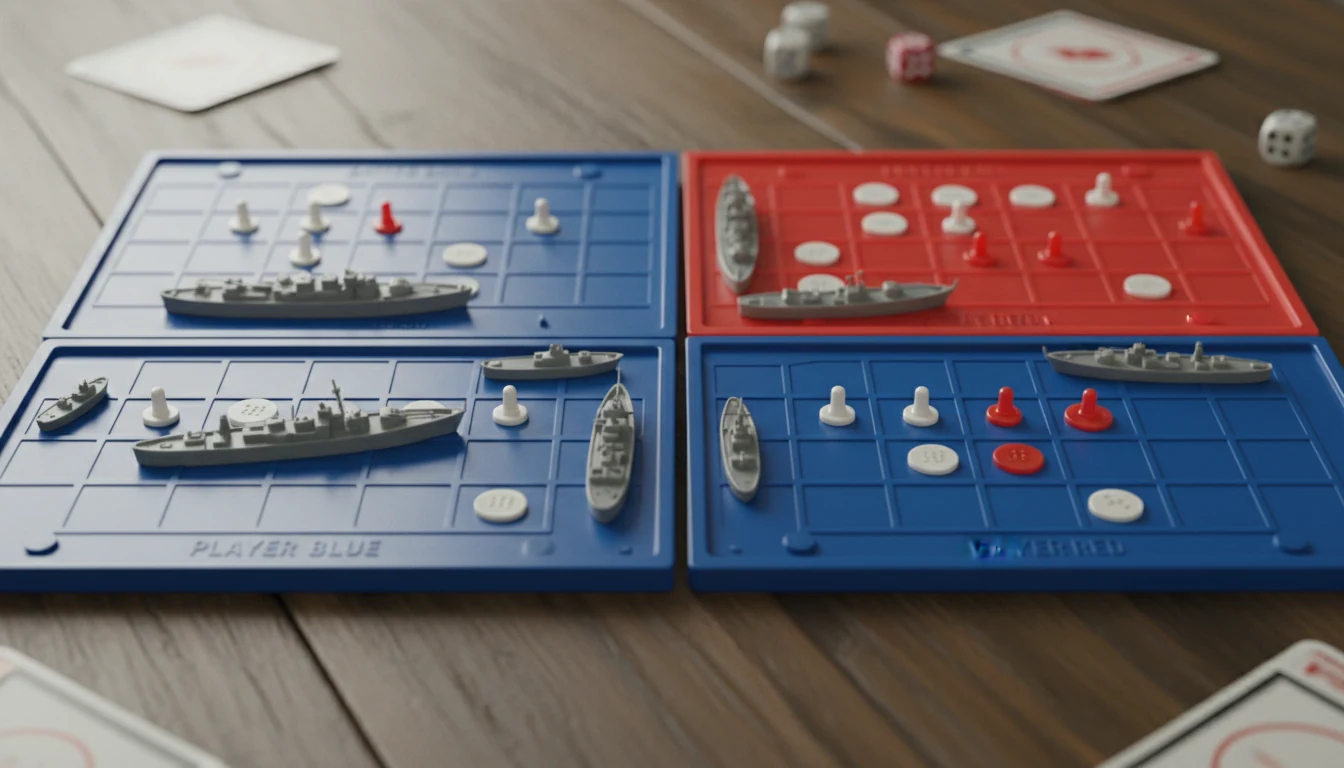
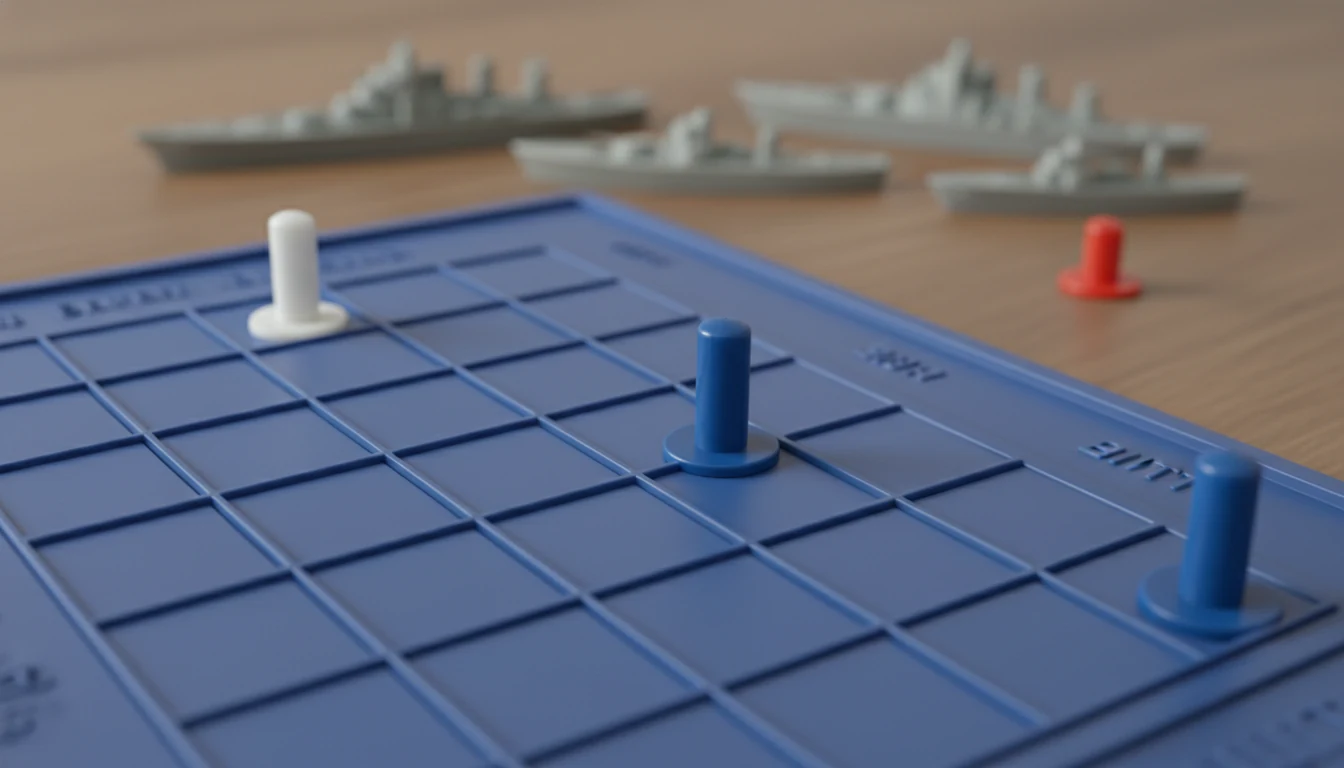
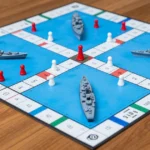
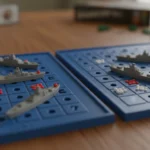
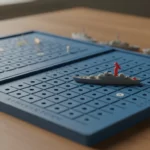
According to the standard rules for Battleship, ships must be placed entirely within the grid and may not overlap. The official setup requires that ships are placed either horizontally or vertically along the grid lines. While some players seek to add complexity, the standard gameplay mechanics rely on the orthogonal placement of the fleet to ensure the game remains a logic and deduction-based challenge.
Example Play Situation
Alice places her Carrier horizontally on the first row. Bob places his Destroyer vertically on the third column. They then begin alternating turns calling out coordinates.
House Rules
[HOUSE RULE] Diagonal Ships: Some players allow ships to be placed diagonally to increase the difficulty and challenge of the game.
Common Misconceptions
Ships can be placed at any angle
Ships can overlap each other
Ships can be placed outside the grid boundaries
Quick Reference
You Can
You Cannot
Place ships horizontally
Do not place ships diagonally
Place ships vertically
Do not overlap ships
Keep your grid hidden from your opponent
Do not move ships once the game begins
Frequently Asked Questions
What is the official rule for ship placement in Battleship?
Ships must be placed horizontally or vertically and cannot overlap.
Can I place my ships diagonally to make it harder?
No, standard rules require horizontal or vertical placement only.
Is it allowed to have ships touching each other?
Yes, ships can be next to each other as long as they do not overlap.
What if I accidentally overlap two ships during setup?
That is an invalid setup; ships must be placed without overlapping.