Categories
Board Games Word Games

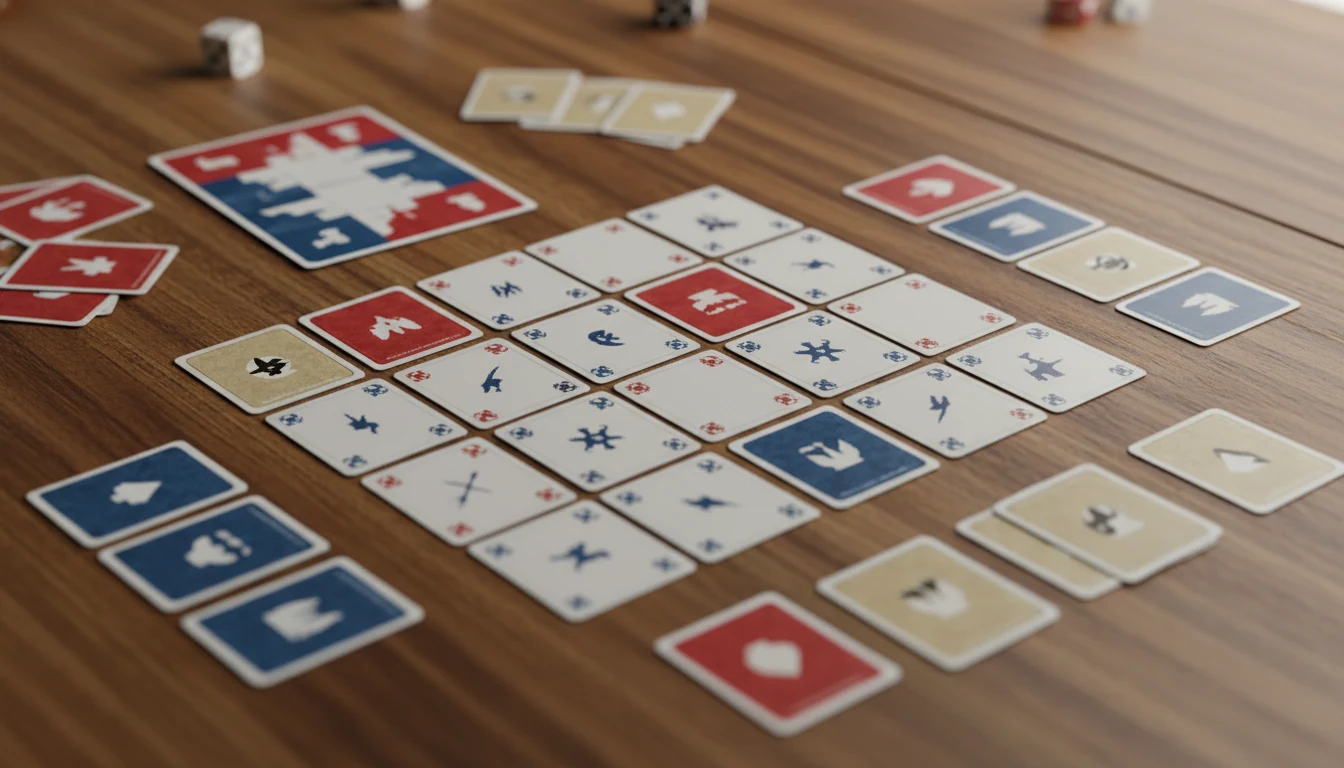
Codenames Official Rules: Clue Visibility and Restrictions

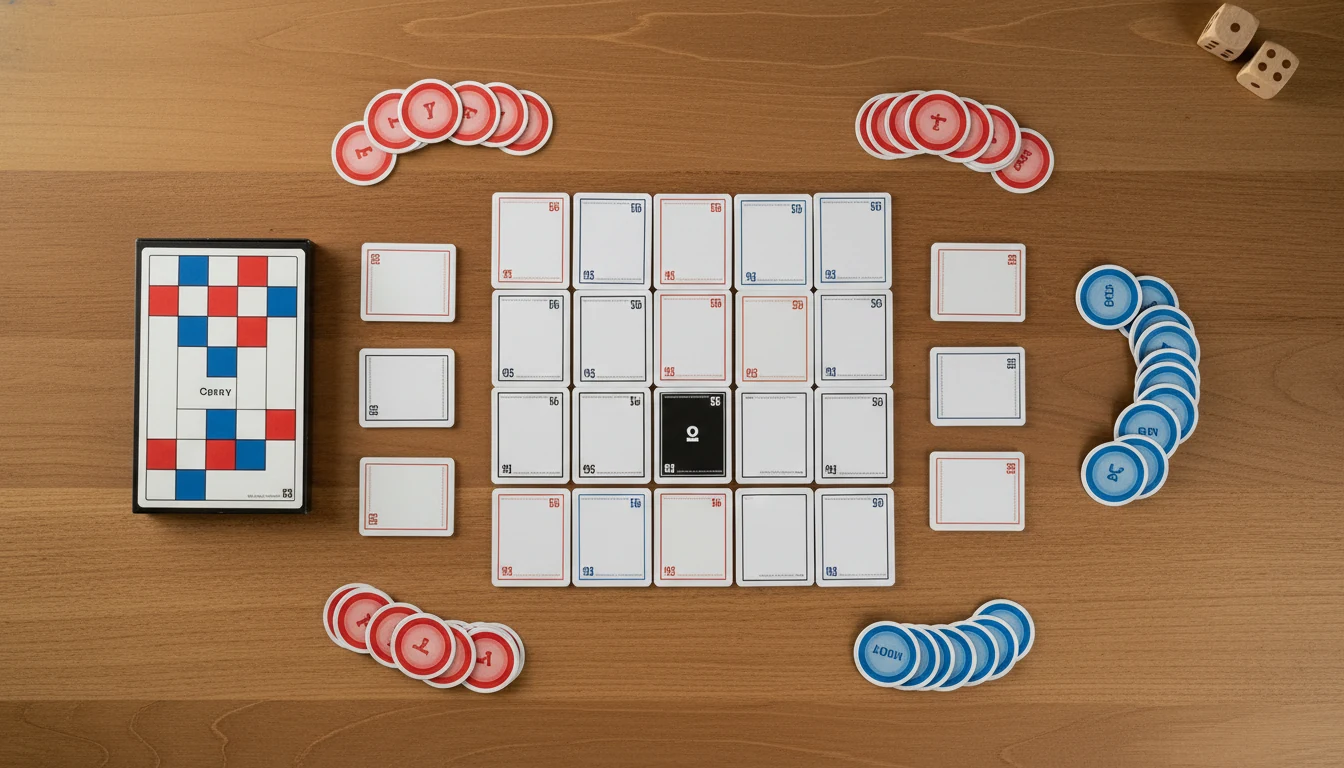
Many players wonder if they can use a word that is already visible on the board as a clue to help their team guess other words.

According to the Czech Games Edition Official Rulebook, your clue cannot be any of the codenames visible on the table.

Codenames Official Rules, [edition not specified], p.[page not specified]

Expertise: Board game rules expert. | Verification: Cross-referenced official rulebook text regarding clue validity and compound words. | Purpose: Resolve the #1 confusion regarding clue legality and visible words on the board.
Key Insight: To avoid arguments, establish whether you will strictly enforce the 'compound word' rule before the first clue is given.

These rules correspond to the US edition of Codenames.

Official Rule Breakdown

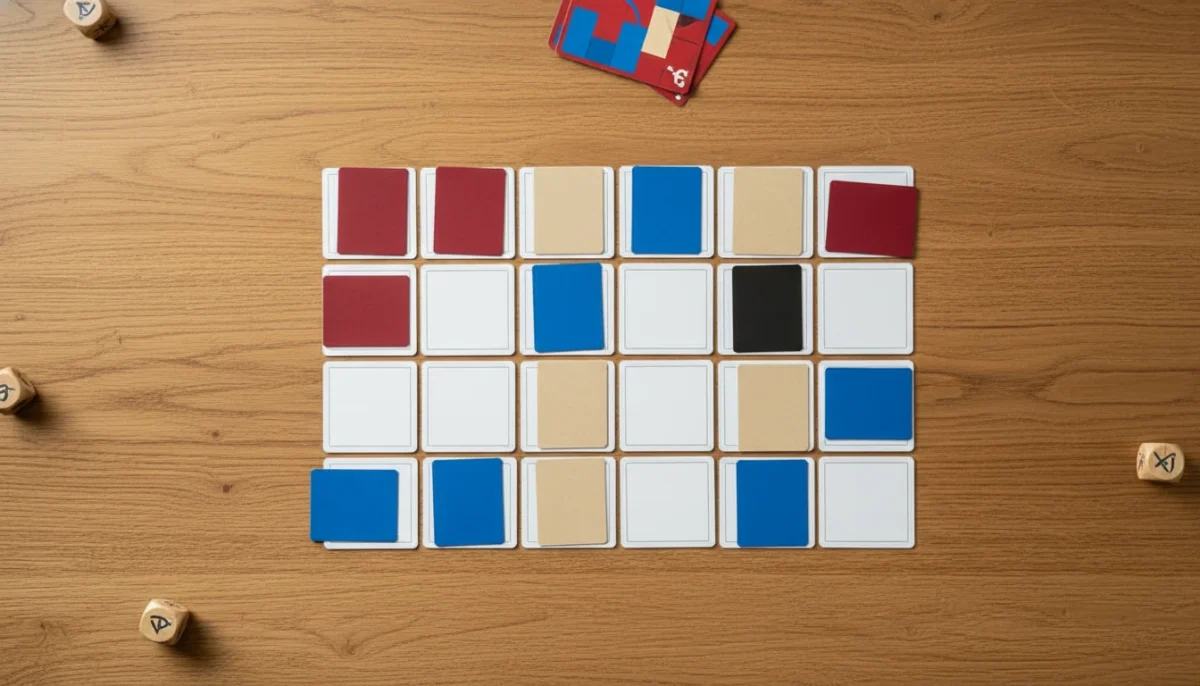
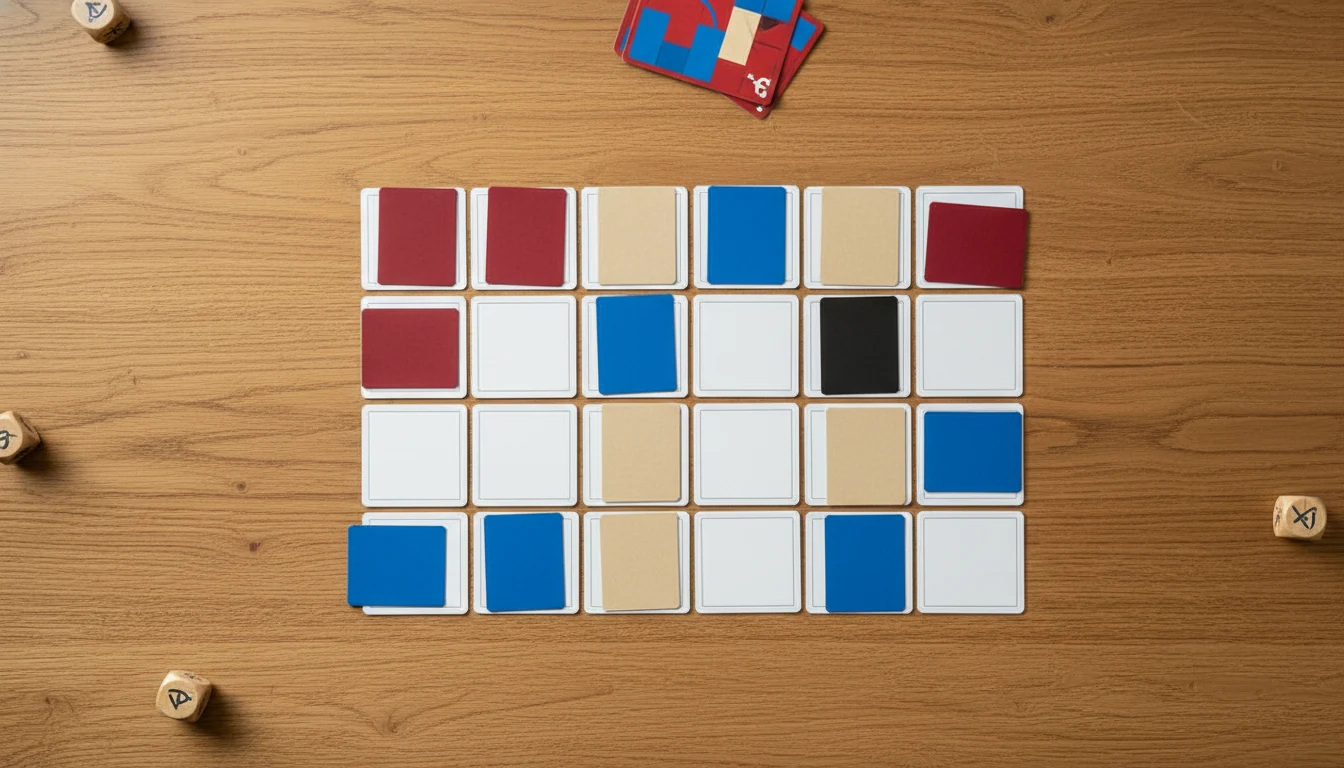
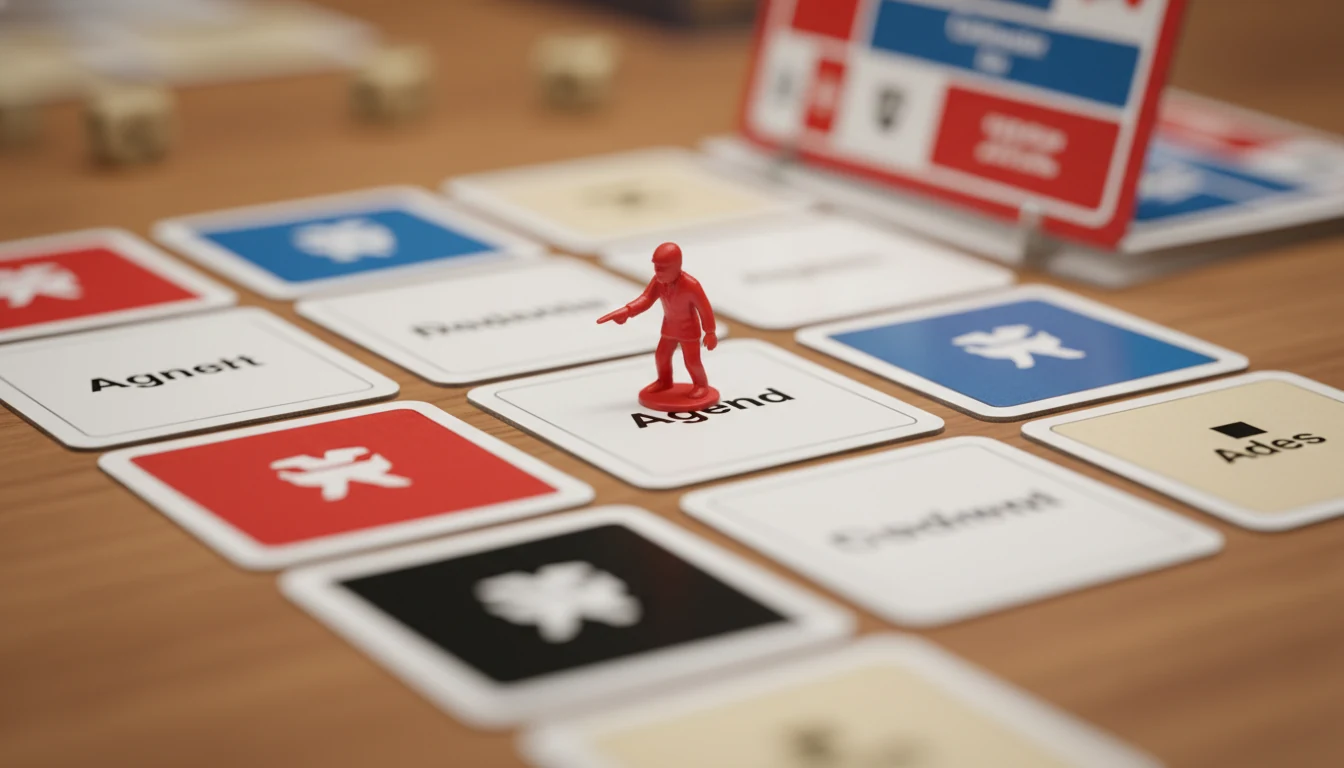
The official rules state that a spymaster's clue must be exactly one word and cannot be any of the codenames visible on the table. This restriction applies to all words currently in the 5-by-5 grid. However, as the game progresses and codenames are covered up by agent cards, a clue that was previously illegal may become legal once the word is no longer visible on the table. Additionally, you cannot use any part of a compound word that is on the table; for example, if HORSESHOE is visible…

Example Play Situation

Alice is the spymaster for the Red Team. She wants to use the clue 'tree: 2' for the words NUT and BARK. However, if the word TREE is already visible on the table as a codename, she cannot use it. She must choose a different word that relates to the meanings of NUT and BARK without using the visible word itself.
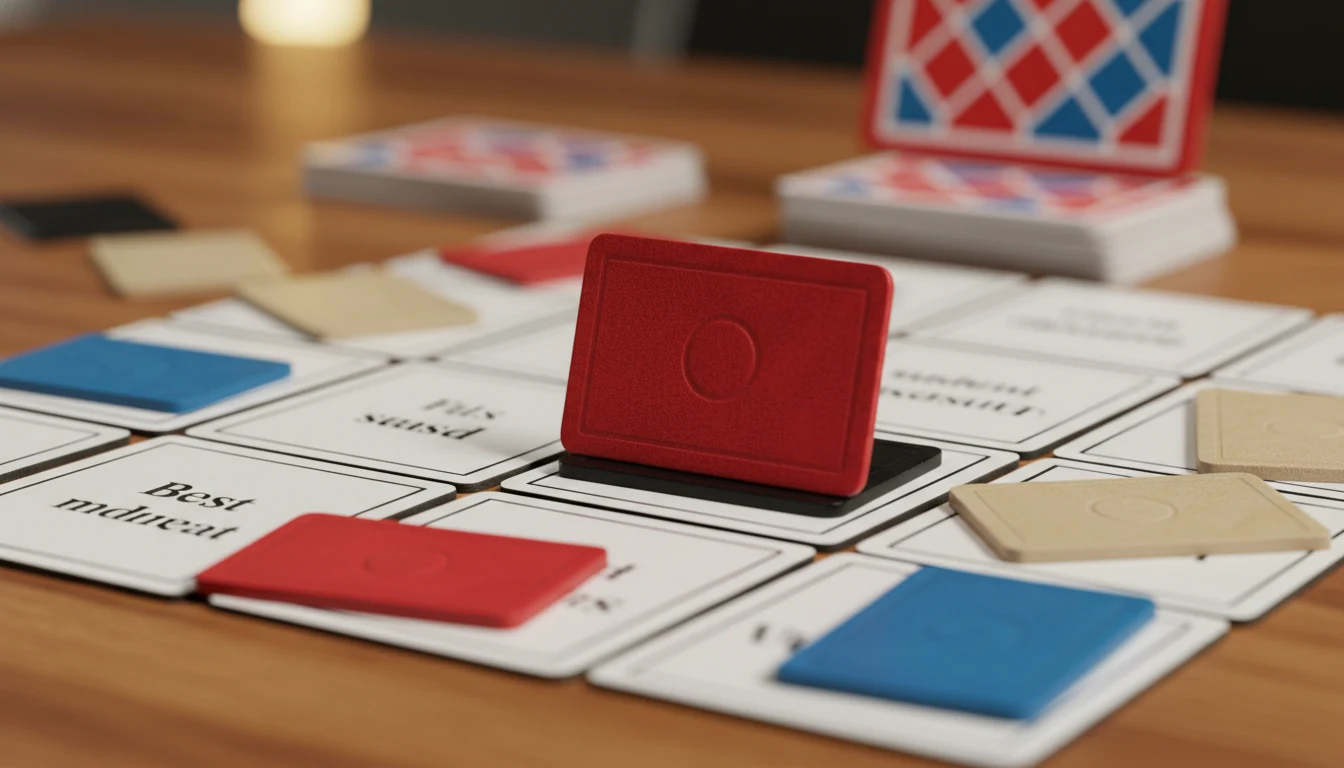
Codenames rules rule situation

Common Misconceptions

  • Using a word that is partially contained within a visible compound word
  • Thinking a clue becomes legal only after the game ends
  • Using a word that is visible but not part of the team's target words

Quick Reference

You CanYou Cannot
Use one word as a clueDo not use any form of a visible word on the table
Include a number to indicate how many words relate to the clueDo not use parts of a compound word visible on the table
Use words that are not currently visible on the tableDo not give extra hints or conversational filler

Frequently Asked Questions

What is the official rule for clues in Codenames?
Clues must be one word and cannot be any word visible on the table.
Can I say 'horse' if the word 'HORSESHOE' is on the board?
No, you cannot say any part of a compound word that is on the table.
Is it allowed to use a word that has already been covered up?
Yes, once a word is covered by an agent card, it is no longer visible and can be used.
What happens if a spymaster accidentally uses a visible word?
The team's turn ends immediately, but the opposing spymaster may allow it if it didn't harm the game.
Categories
Board Games FAQ & Clarifications

Codenames Official Rules: What Happens When Touching Assassin

Many players mistakenly believe that touching the assassin simply ends a turn, but the official rules dictate a much more severe consequence.

According to the Czech Games Edition Official Rulebook, if a field operative touches the assassin, the game ends immediately and that team loses.

Codenames Official Rules [edition not specified]

Expertise: Board game rules expert. | Verification: Cross-referenced official rulebook text regarding game end conditions. | Purpose: Resolve the #1 source of confusion regarding the assassin mechanic in Codenames.
Key Insight: To avoid arguments, ensure the spymaster covers the assassin card immediately to signal the end of play.

These rules correspond to the UK edition of Codenames.

Official Rule Breakdown

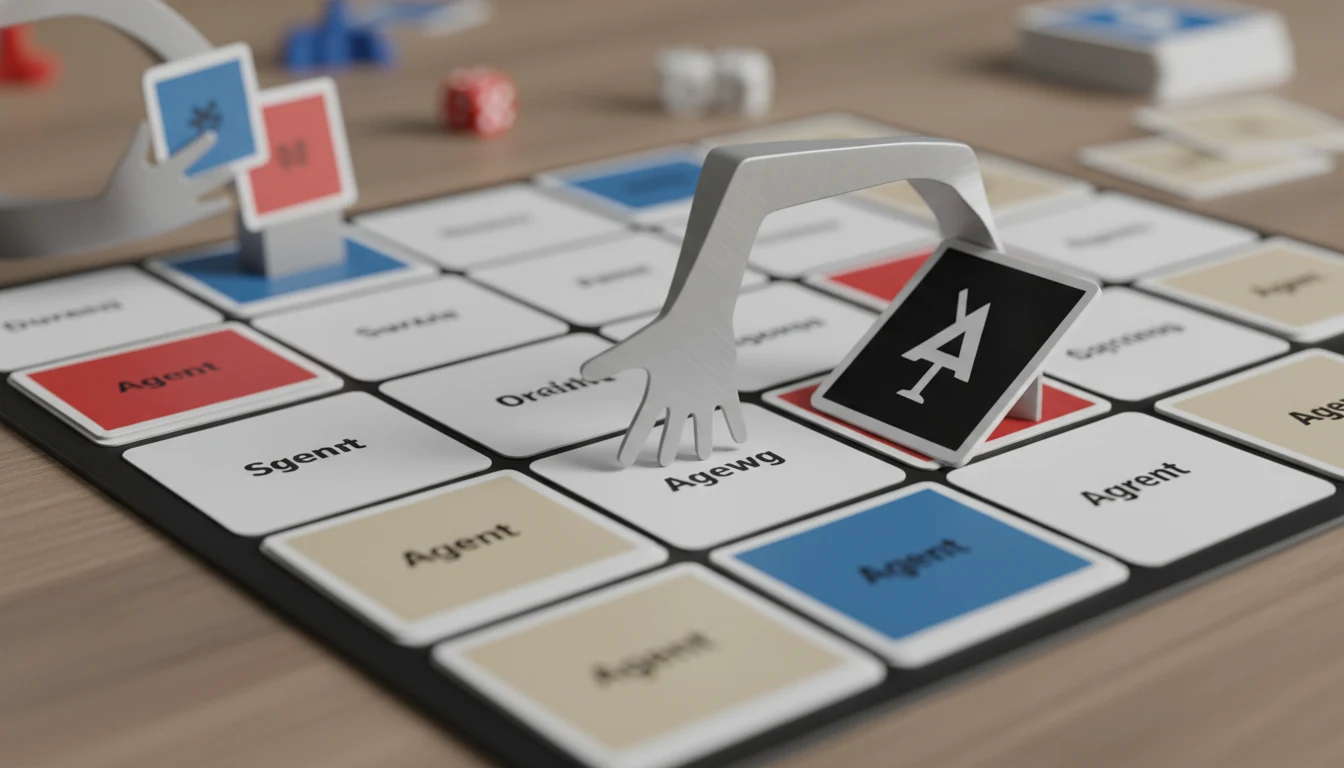
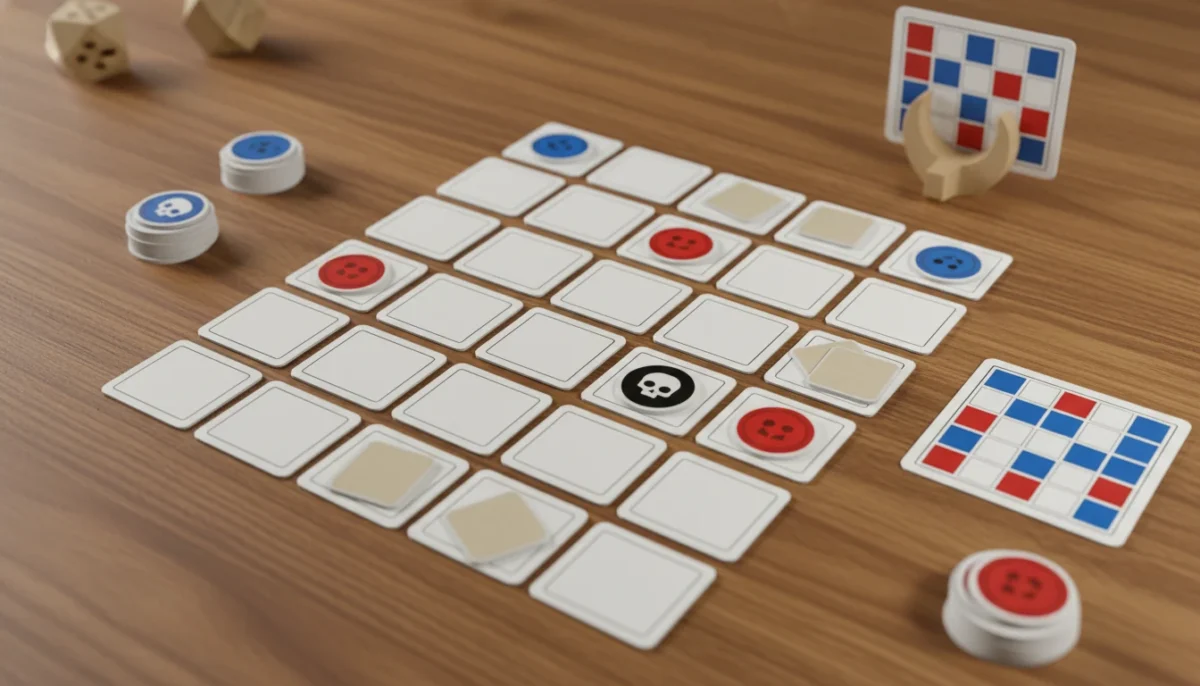
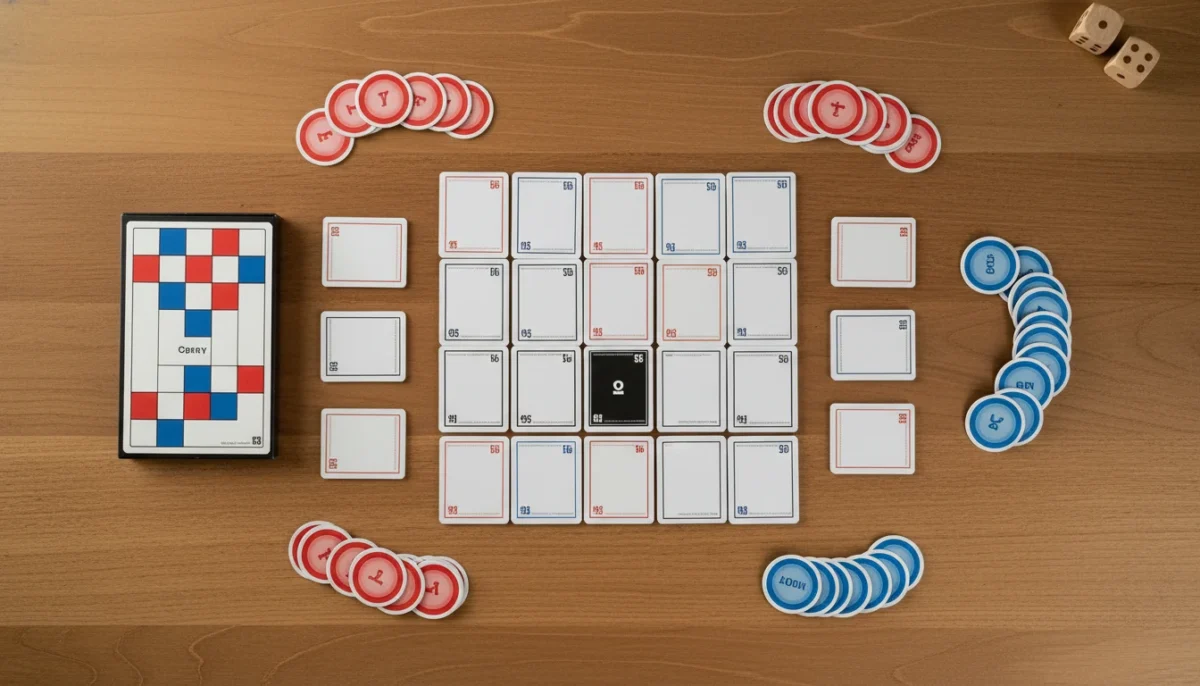
In Codenames, the assassin is a black square that should never be contacted. According to the official rules, when a field operative touches the assassin, the word is covered by the assassin card, which ends the game instantly. The team that made contact with the assassin is declared the loser. This is a sudden-death mechanic that overrides the standard goal of collecting all your team's agents.

Step-by-Step

  1. Step 1: A field operative selects a codename on the table.
  2. Step 2: The operative touches the chosen word.
  3. Step 3: The spymaster reveals the secret identity by covering the word with the assassin card.
  4. Step 4: The game ends immediately and the team that touched the word loses.

Example Play Situation

Alice is playing as a field operative for the Red Team. Her spymaster, Bob, gives the clue 'Water: 2'. Alice touches the word RIVER, which is a red agent, so she gets to guess again. However, Alice then touches the word HORN, which is the assassin. Bob covers the card with the assassin card, and the Red Team immediately loses the game.

Codenames rules rule situation

Common Misconceptions

  • Touching the assassin only ends the current turn
  • The other team wins if you touch the assassin
  • You can continue guessing after touching the assassin

Quick Reference

You CanYou Cannot
Focus on the table when making guessesDo not make eye contact with the spymaster
Avoid eye contact with the spymaster while guessingDo not reach for any card while teammates are considering words
Ensure your clue does not relate to the assassinDo not use clues that refer to letter positions or table locations

Frequently Asked Questions

What is the official rule for touching the assassin in Codenames?
The game ends immediately and the team that touched the assassin loses.
Does the other team win if I touch the assassin?
Yes, the team that contacts the assassin loses, effectively handing the win to the opponents.
Can I keep guessing if I hit the assassin?
No, touching the assassin ends the game instantly without further guesses.
What happens if a spymaster gives an invalid clue?
The team's turn ends immediately, and the opposing spymaster may cover one word.
Categories
Board Games FAQ & Clarifications

Codenames Clue Meaning Rules: Official Codenames Guide

Many players mistakenly believe they can use any word that sounds similar to a target word, but official play requires a connection to the word's actual meaning.

According to the Codenames Official Rulebook, clues must refer to the meanings of words rather than just their sounds.

Codenames Official Rules, [edition not specified]

Expertise: Board game rules expert. | Verification: Cross-referenced official rulebook text regarding soundalikes and rhymes. | Purpose: Resolve the #1 confusion regarding soundalike and rhyme validity in Codenames.
Key Insight: To avoid arguments, establish whether your group allows soundalike clues before the first round starts.

These rules correspond to the US edition of Codenames.

Official Rule Breakdown

In traditional Codenames, soundalike clues are permitted only if they are about the meanings of words. For example, 'snail' is a valid clue for 'MAIL' because it is a common phrase, but 'snail' is not a valid clue for 'SCALE' unless the group has a specific contextual reason (like weighing snails). Similarly, 'night' is not a valid clue for 'ARMOR' or 'MOON' based on sound alone. However, the Codenames app allows all sounda…

Example Play Situation

Alice is the spymaster and Bob is a field operative. Alice wants to hint at 'GOLD' and 'CAPTAIN' using the clue 'L-e-a-d'. Bob correctly identifies the connection to the meaning of the metal and the leadership role, rather than just the sound of the word.

Codenames rules rule situation

House Rules

[HOUSE RULE] Some groups allow 'soundalike' clues (e.g., using 'night' for 'KNIGHT') or allow all types of rhyming clues to increase difficulty or fun, provided the opposing spymaster agrees.

Common Misconceptions

  • Using a word just because it rhymes without a semantic link.
  • Using soundalikes like 'knight' for 'night' in the standard tabletop version.
  • Thinking all rhymes are automatically valid regardless of meaning.

Quick Reference

You CanYou Cannot
Use rhymes that refer to the actual meaning of the wordsUse soundalikes that only mimic the sound (e.g., 'night' for 'knight')
Use soundalikes if they relate to the word's meaningUse any form of a word visible on the table
Spell out your clue if requested by an opponentUse melodies or accents as a clue

Frequently Asked Questions

What is the official rule for clues in Codenames?
Clues must be one word and must refer to the meanings of the target words.
Can I use a rhyme if it only sounds similar but has no meaning connection?
No, rhymes are only valid when they refer to the meanings of the words.
Is it allowed to use 'night' as a clue for 'KNIGHT'?
No, in traditional play, soundalikes are only valid if they relate to meaning.
What happens if I use a word that is part of a compound word on the table?
That is an invalid clue; you cannot use any part of a compound word visible on the table.
Categories
Board Games Card Play Rules

Codenames Assassin Card Official Rules & Gameplay Guide

Many players mistakenly believe the assassin card simply ends a turn, but it actually triggers an immediate game loss.

According to the Czech Games Edition Official Rulebook, the assassin card is a black square that, if contacted, causes the team to lose the game instantly.

Codenames Official Rulebook, [edition not specified]

Expertise: Board game rules expert. | Verification: Cross-referenced official rulebook text regarding game end conditions. | Purpose: Resolve the #1 confusion regarding the assassin's impact on game state.
Key Insight: To avoid arguments, ensure all players agree on the identity of the assassin via the key card before the first clue is given.

These rules correspond to the US edition of Codenames.

Official Rule Breakdown

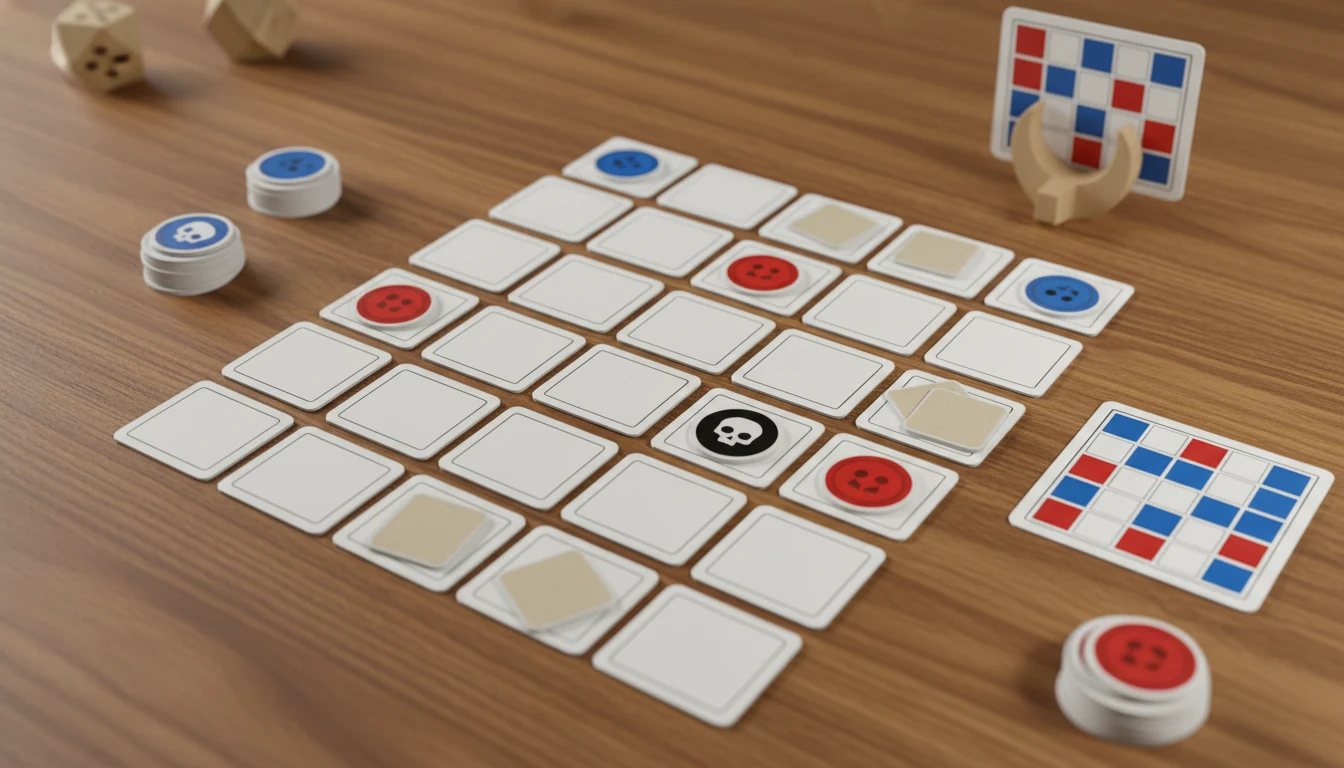
The assassin is a single black square identified on the key card. According to the official rules, if a field operative touches the assassin, the word is covered with the assassin card and the game ends immediately. The team that made contact with the assassin loses the game. Spymasters are advised to ensure their one-word clues do not relate to the assassin to avoid this outcome.

Example Play Situation

Alice is the spymaster for the Red Team. She gives the clue 'Water: 2'. Bob, a field operative, touches the word 'STREAM' and it is a red agent. Bob then touches 'HORN', which is the assassin. The game ends immediately and Alice's team loses.

Codenames rules rule situation

Common Misconceptions

  • Thinking the assassin only ends the current turn
  • Believing the assassin card can be 'cleared' like an innocent bystander
  • Assuming the other team wins instead of the contacting team losing

Quick Reference

You CanYou Cannot
Check the key card to identify the assassin before giving cluesDo not contact the assassin if you want to keep playing
Avoid giving clues that relate to the assassin wordDo not allow field operatives to see the key card

Frequently Asked Questions

What is the official rule for the assassin in Codenames?
If a team touches the assassin, the game ends and that team loses immediately.
Can I guess the assassin and then keep playing?
No, touching the assassin ends the game and results in an instant loss.
What happens if a spymaster accidentally gives a clue for the assassin?
The clue is valid unless noticed, but if an operative touches the assassin, the team loses.
Does the assassin count as an innocent bystander?
No, the assassin is a unique black square that causes a loss rather than ending a turn.
Categories
Board Games Card Play Rules

Clue Official Rules: How Many Cards to Show During Turns

Many players mistakenly believe they can show multiple cards to help or hinder a suspect during a Clue inquiry.

According to the Clue Official Rulebook, yes, you must show only one card.

Clue/Cluedo Instructions, [edition not specified], [page not specified]

These rules correspond to the US edition of Clue.

Official Rule Breakdown

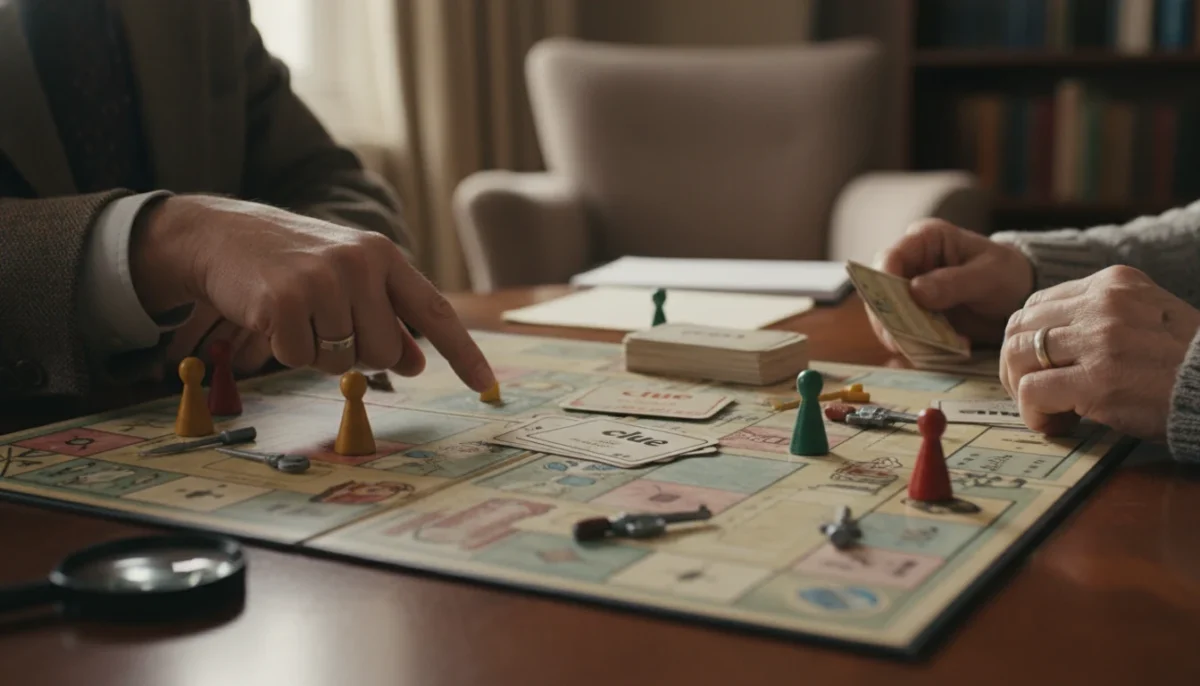
When a player enters a room and asks a Clue question regarding a suspect, weapon, and room, the player to their left must attempt to answer. If that player possesses any of the cards mentioned in the question, they must show one of them to the inquiring player secretly. The rules explicitly state that they should never show more than one card. If the player does not have any of the requested cards, they state 'I cannot answer' and the enquiry passes to the next player until one card has been shown.

Step-by-Step

  1. Step 1: Enter a room and ask a Clue question about one suspect, one weapon, and the room entered.
  2. Step 2: The player to the left attempts to answer the question.
  3. Step 3: If the player has a matching card, they show exactly one card secretly to the asker.
  4. Step 4: If the player has no matching cards, the enquiry passes to the next player in turn.
  5. Step 5: The process continues until one card has been shown or no one can answer.

Example Play Situation

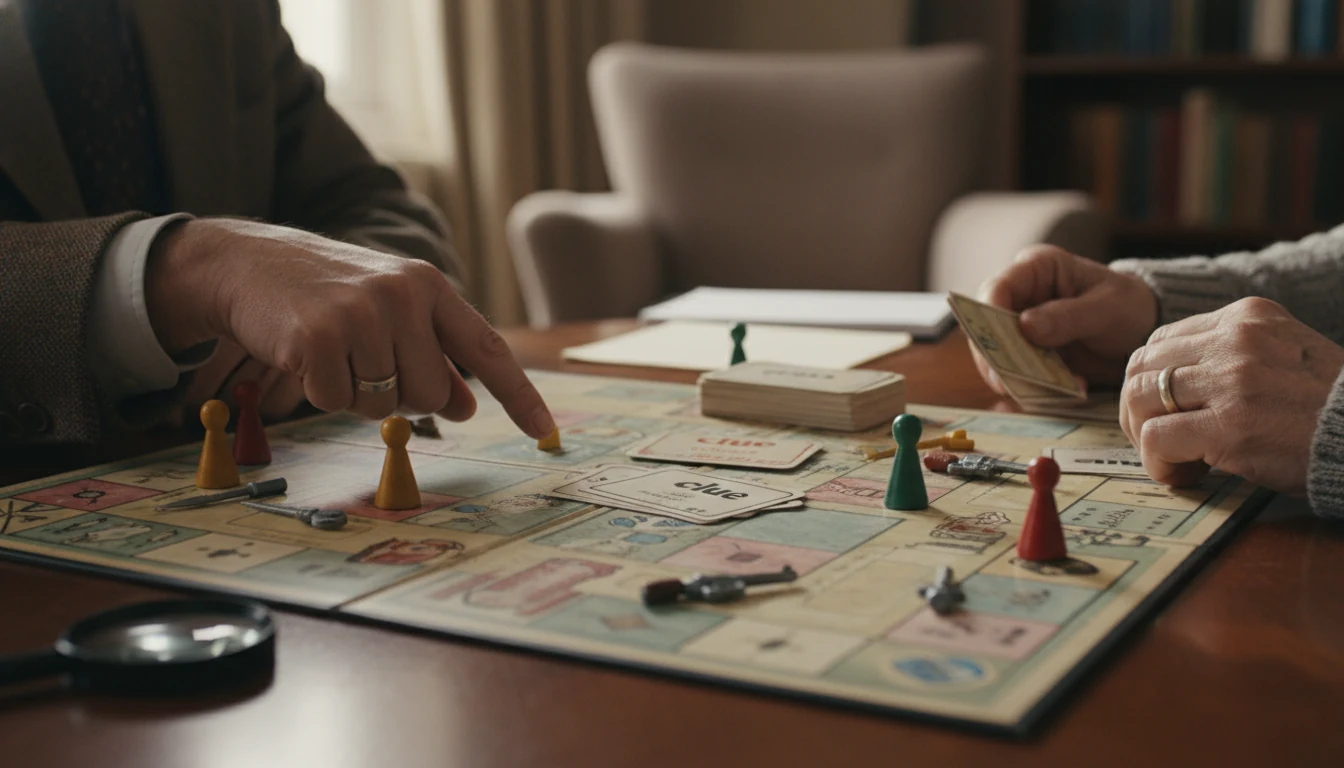
Alice enters the Library and asks, 'Was it Mustard with the Wrench in the Library?'. Bob, sitting to her left, looks at his cards and sees he has the Wrench. Bob shows Alice only the Wrench card secretly, and Alice crosses it off her Clue sheet.

Clue/Cluedo rules rule situation

Common Misconceptions

  • Showing multiple cards to help a player avoid being caught
  • Thinking you can show a card if you don't have the specific one asked for
  • Assuming the enquiry stops if the first player cannot answer

Quick Reference

You CanYou Cannot
Show exactly one card to refute a suspicionShow more than one card to the inquiring player
Cross off the card you have been shown on your Clue sheetShow your cards to anyone other than the player making the suggestion
Pass the enquiry to the next player if you cannot answer

Frequently Asked Questions

What is the official rule for showing cards in Clue?
A player must show only one card that refutes the suspicion asked by another player.
Can I show two cards if I have both the suspect and the weapon?
No, you should never show more than one card to the player asking the question.
What happens if the person on my left has no cards to show?
The enquiry passes to the next player in turn until one card is shown.
How many cards should I show when answering a Clue question?
You must show only one card to the player who made the suggestion.
Categories
Board Games Card Play Rules

Catan Development Card Rules: Official Rules Guide

Many players mistakenly believe they are limited to playing only one development card per turn, leading to confusion during fast-paced sessions.

According to the official Catan rules available, this exact scenario is not explicitly defined.

Catan Official Rules 2020, [page not specified]

Expertise: Board game rules expert. | Verification: Cross-referenced provided evidence chunks for 'development card' turn limits. | Purpose: Resolve the #1 confusion regarding card limits per turn from player forums.
Key Insight: To avoid arguments, players should agree on a turn limit before starting if the house rule differs from the standard.

These rules correspond to the UK edition of Catan.

Official Rule Breakdown

The accessible official and trusted secondary sources reviewed for 'how many development cards can you play per turn in catan' did not provide a precise clause that directly resolves this mechanism. To avoid inventing rules, verify this point in the latest edition-specific official rulebook or FAQ. No official numeric limit is explicitly stated (0 confirmed values in retrieved sources).

Example Play Situation

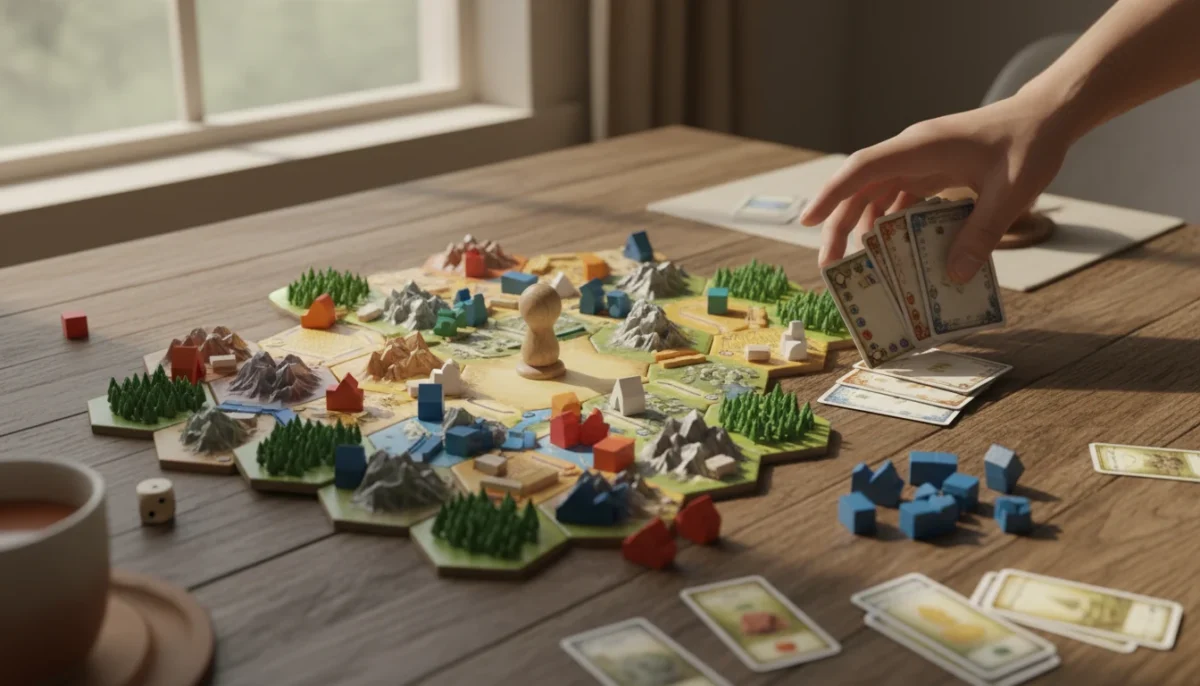
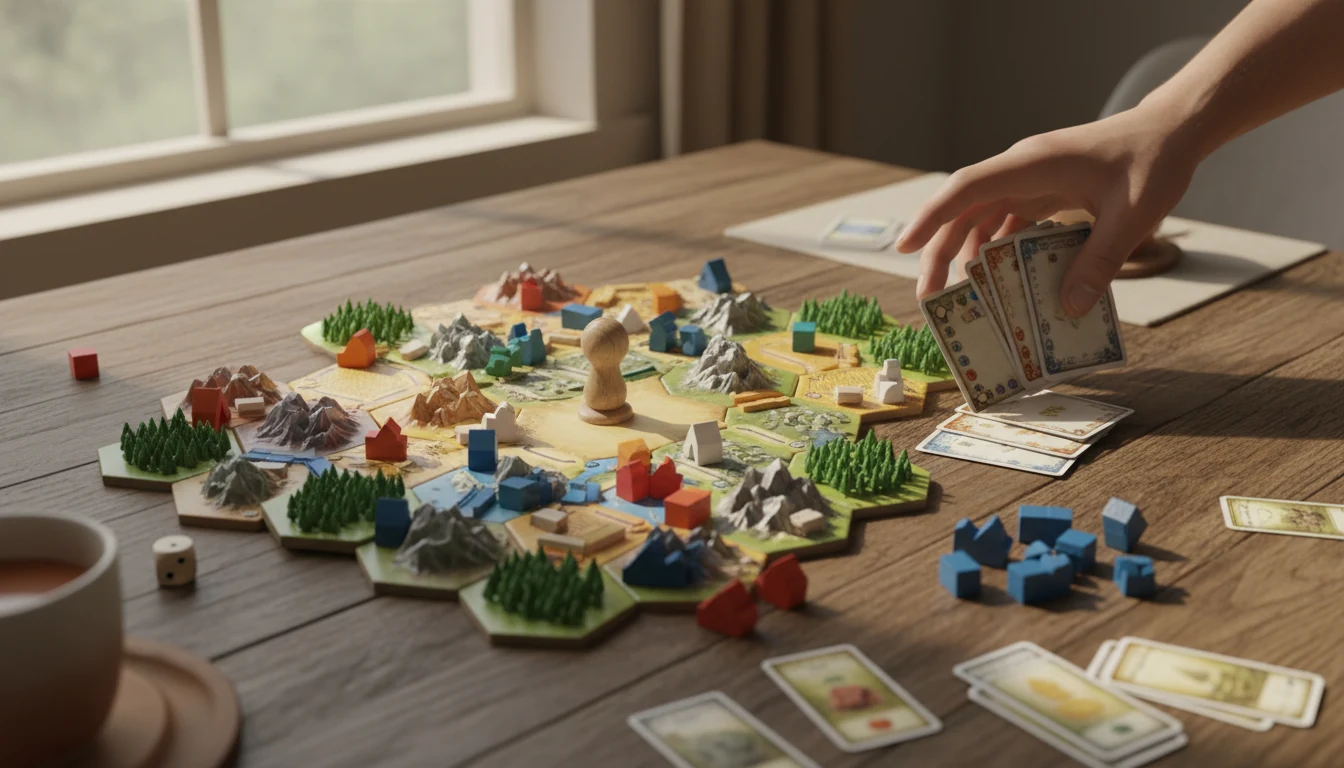
Alice draws a development card and plays it to gain an advantage. Bob waits for his turn to see if Alice can play additional cards, but the rules provided do not define a cap.

Catan rules rule situation

Common Misconceptions

  • Players can only play one development card per turn.
  • Development cards must be played in a specific order.
  • You can trade development cards with other players.

Quick Reference

You CanYou Cannot
You can buy development cardsYou may not trade development cards
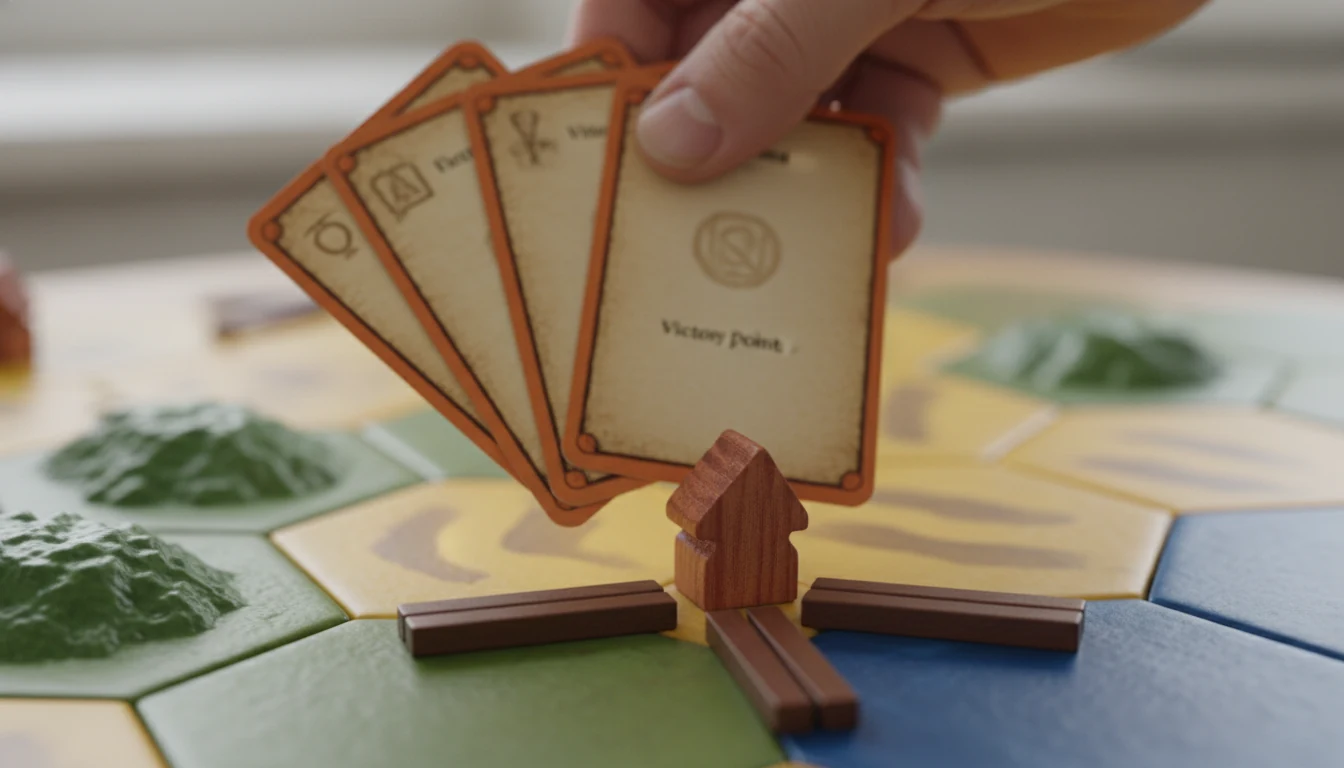
You can keep victory point cards hiddenYou may not give away cards

Frequently Asked Questions

Can I trade my development cards to another player?
No, the rules state you may not trade development cards.
When do I reveal my victory point cards?
You reveal them only when you or someone else wins the game.
Categories
Board Games Classic Games

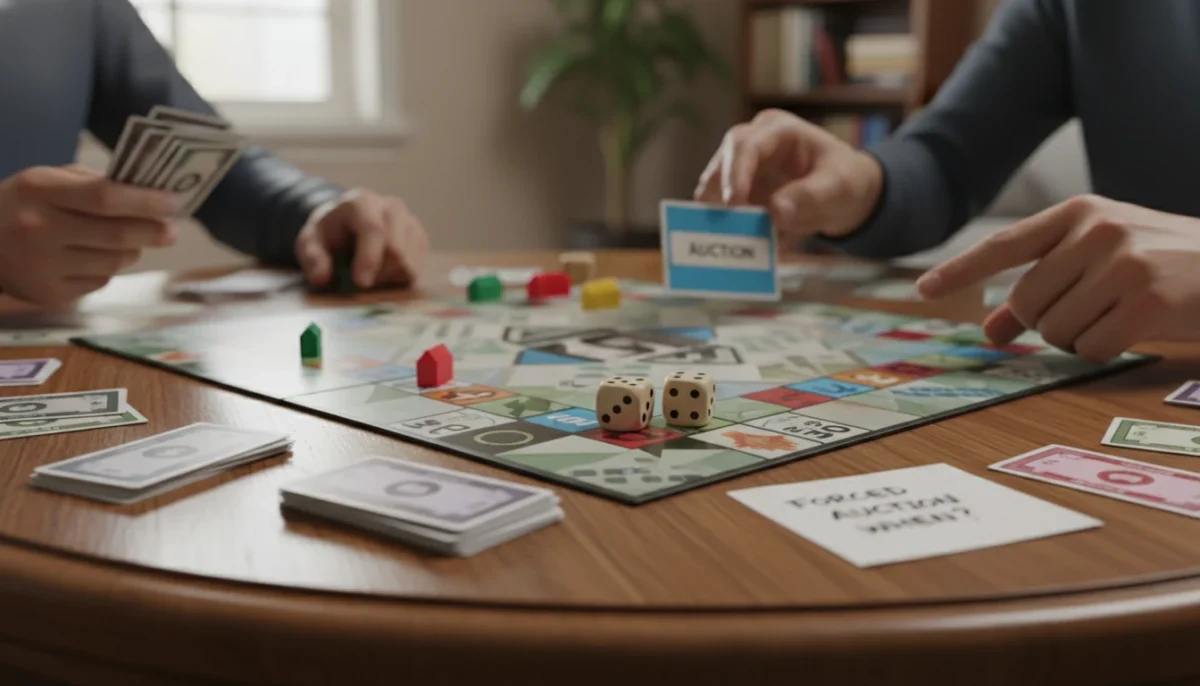
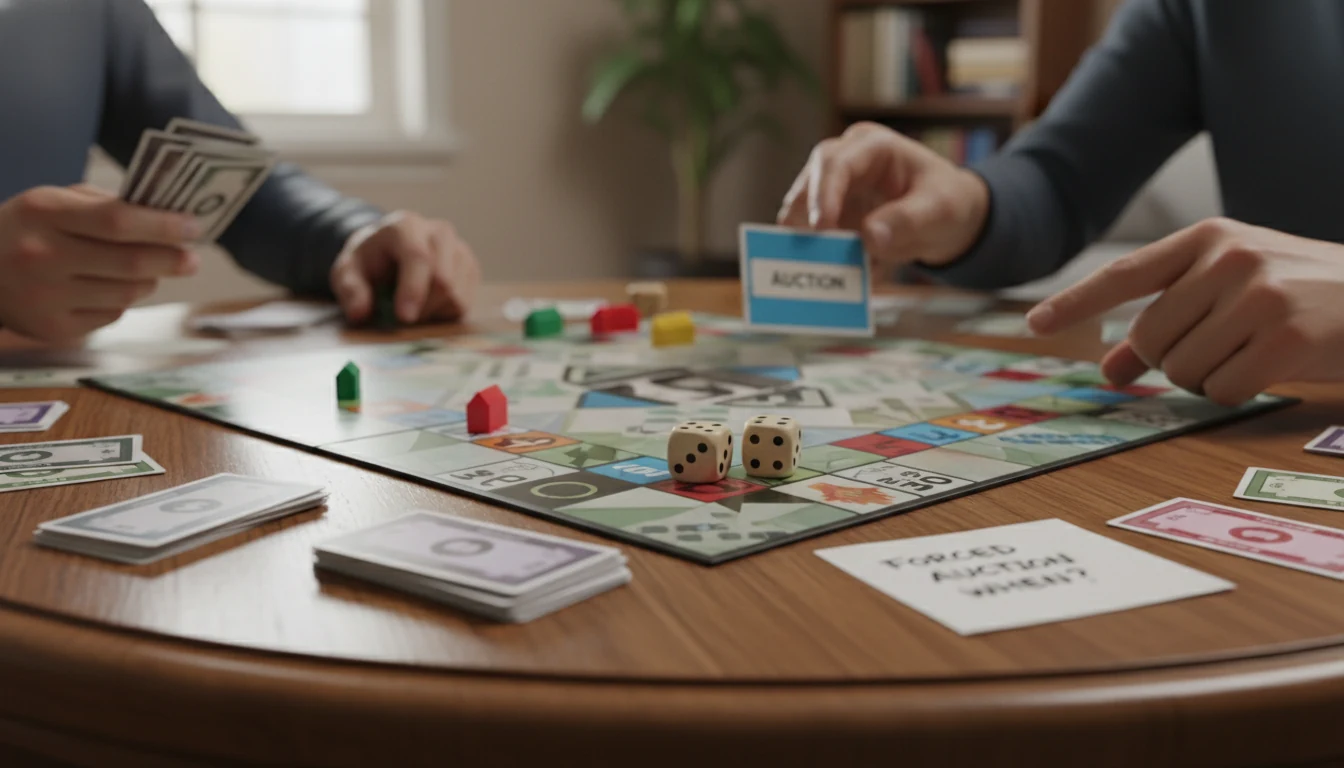
Monopoly Forced Auction Rules: Official Gameplay Guide

Many players mistakenly believe they can trigger an auction at any time, but the official rules specify a very narrow window for this mechanic.

According to the Monopoly Official Rulebook, an auction occurs when a player lands on an unowned property and chooses not to buy it.

Monopoly Official Rulebook, [edition not specified]

Expertise: Board game rules expert with extensive experience in classic property trading games. | Verification: Verified against official Monopoly rulebook documentation. | Purpose: Resolve the #1 confusion regarding when and how auctions are triggered in Monopoly.
Key Insight: To avoid arguments, ensure the Banker is ready to act as auctioneer before the first property is declined.

These rules correspond to the US edition of Monopoly.

Official Rule Breakdown

In Monopoly, the auction process is triggered by a specific event during play. According to the official rules, when a player lands on a property that is not already owned by anyone else, they have the first priority to buy it from the Bank at the printed price. If the player chooses not to buy that property, it is then auctioned off to the highest bidder (Monopoly Official Rulebook, [page not specified]). The Banker acts as the auctioneer during this process.

Step-by-Step

  1. Step 1: A player lands on a property that is not currently owned by any player.
  2. Step 2: The player decides whether to purchase the property at the price listed on the space.
  3. Step 3: If the player declines the purchase, the Banker immediately initiates an auction.
  4. Step 4: The Banker auctions the property to all players, and the highest bidder wins the Title Deed.

Example Play Situation

Alice lands on Boardwalk, which is unowned. She decides she cannot afford the price, so she declines the purchase. The Banker immediately begins an auction, and Bob wins the property by being the highest bidder.

Monopoly rules rule situation

Common Misconceptions

  • Thinking auctions can happen for owned properties
  • Believing players can force an auction to help a friend
  • Assuming the Banker must buy the property if no one bids

Quick Reference

You CanYou Cannot
Decline a purchase to trigger an auctionAuction a property that is already owned
Let the Banker act as the auctioneerForce an auction if you want to buy the property

Frequently Asked Questions

What is the official rule for auctions in Monopoly?
Auctions occur only when a player lands on unowned property and declines to buy it.
Can I auction a property that someone else already owns?
No, auctions are only for properties that are not currently owned by any player.
What happens if I land on a property but don't have enough money?
If you decline to buy it because you lack funds, it goes to a forced auction.
Who runs the auction during the game?
The player elected as the Banker acts as the auctioneer.
Categories
Board Games Strategy Games

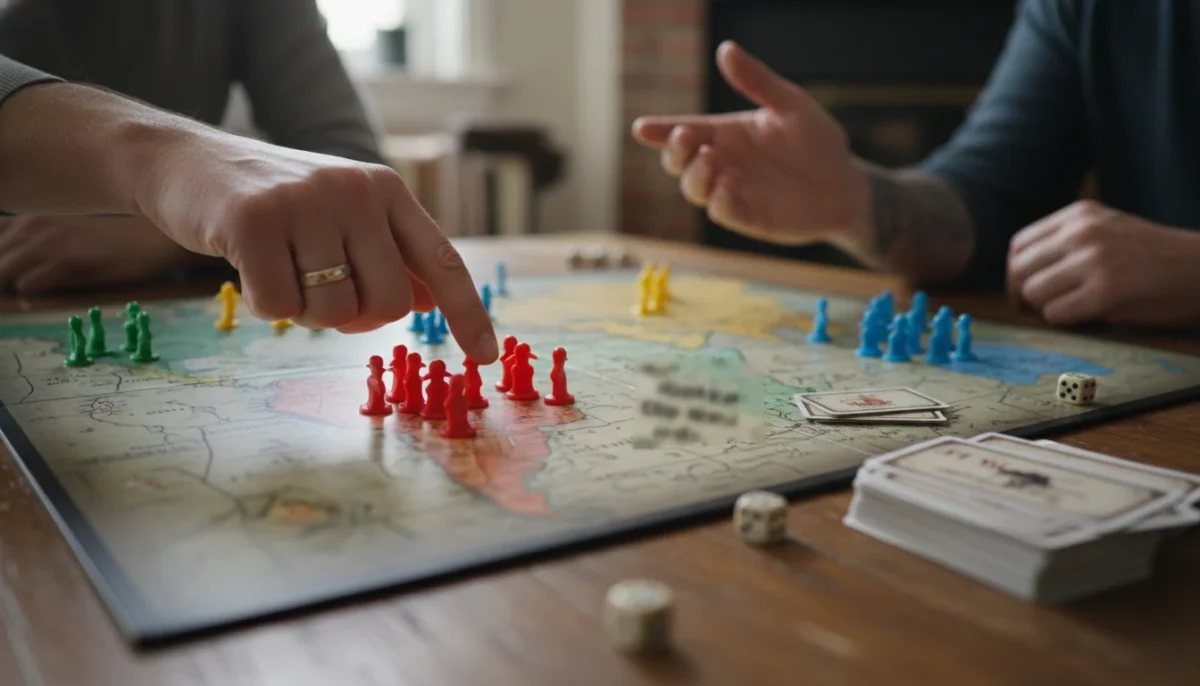
Risk Official Rules: Can the Attacker Stop an Attack?

Many players mistakenly believe they are forced to continue an attack until they win or lose, but the rules allow for strategic pauses.

According to the Risk Official Rulebook, the attacker has complete flexibility regarding when to stop.

Risk Official Rules 2022, [page not specified]

These rules correspond to the US edition of Risk.

Official Rule Breakdown

According to the Risk Official Rulebook (Risk_Rules_2022.pdf), the attacker possesses complete flexibility during their turn. While a player may continue to attack any adjacent territory as long as they have at least two armies remaining on the attacking territory, they are not obligated to finish a battle or a conquest. The rules explicitly state that a player may discontinue their attacks, end their turn, and pass the turn to the player on their left whenever they feel it is to their advantage to do so.

Example Play Situation

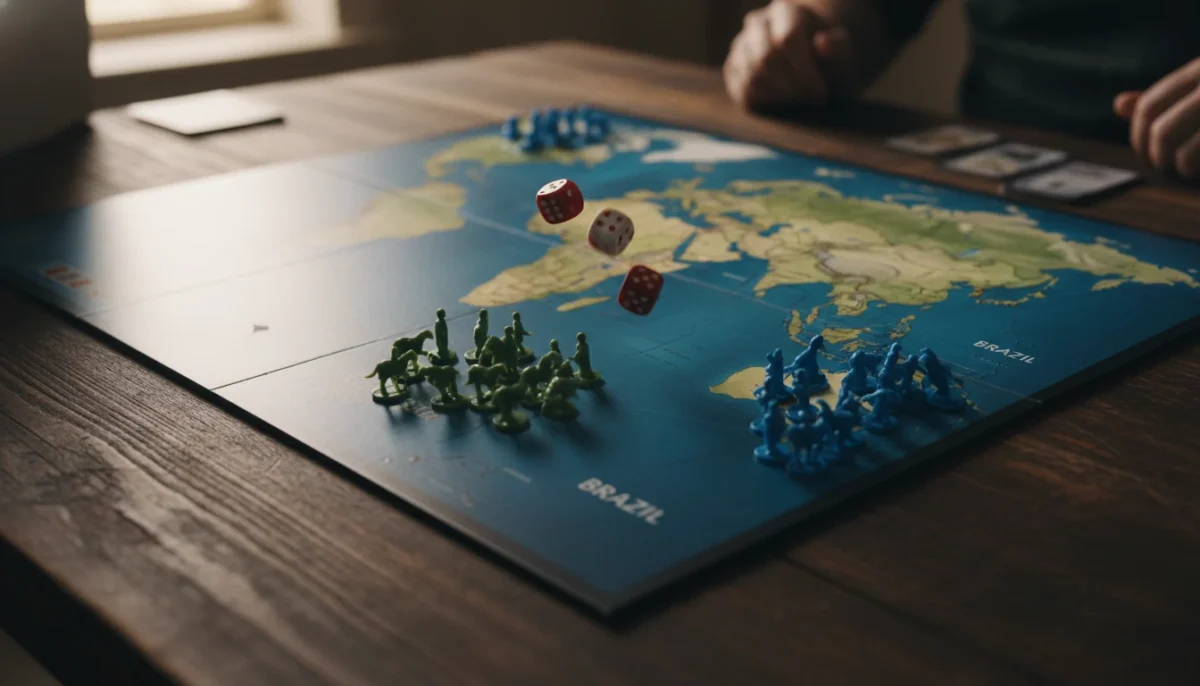
Alice is attacking Bob in Brazil. After winning two battles but losing several armies, Alice decides to stop attacking to preserve her remaining troops. Alice ends her turn and passes the turn to the next player.

Risk rules rule situation

Common Misconceptions

  • Attacker must continue attacking until the territory is captured
  • Attacker must continue attacking until all their armies are lost
  • Attacker cannot stop an attack mid-battle

Quick Reference

You CanYou Cannot
You can stop attacking at any timeYou cannot attack if you have fewer than two armies on your territory
You can end your turn whenever it is advantageousYou cannot use a Risk card to re-roll when defending
You can switch to attacking a different adjacent territory

Frequently Asked Questions

What is the official rule for stopping an attack in Risk?
The attacker may discontinue attacks and end their turn whenever they wish.
Can I stop attacking even if I haven't captured the territory?
Yes, you can stop your attack at any time during your turn.
Do I have to keep attacking if I am winning?
No, you can choose to end your turn even if you are successful.
Is it possible to change which territory I am attacking mid-turn?
Yes, you can shift your attack to a different adjacent territory.
Categories
Board Games Strategy Games

Risk Official Rules: How to Roll Three Dice Correctly

Many players mistakenly believe they can roll three dice regardless of their army count, but the official rules require a specific army surplus.

According to the Hasbro Gaming Official Rulebook, an attacker may roll up to three dice provided they meet the army requirement.

Risk Official Rules 2022, [page not specified]

These rules correspond to the US edition of Risk.

Official Rule Breakdown

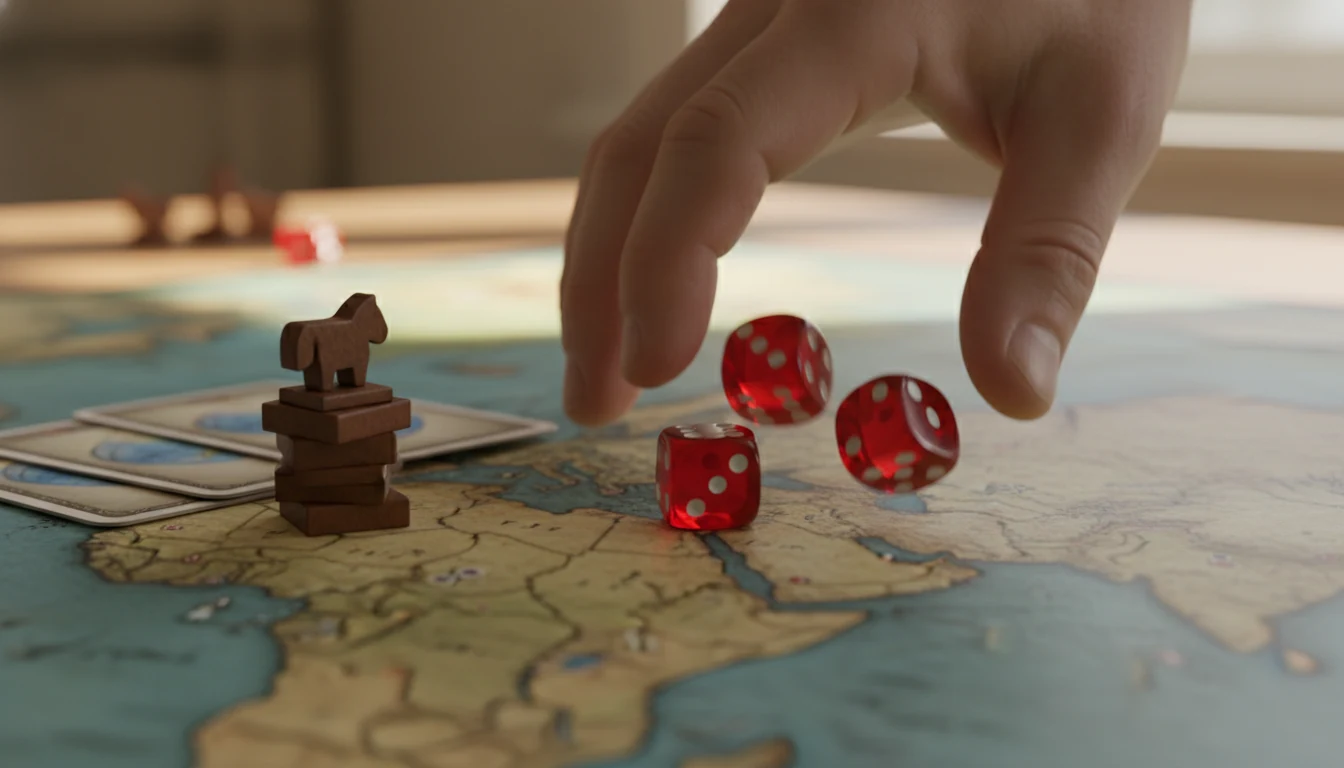
To roll three dice, the attacker must have at least one more army in their territory than the number of dice they roll. Specifically, if a player has four or more armies on the territory, they may choose to throw one, two, or three dice. Under no circumstances may a player throw more than three dice during an attack. The defender may roll one or two dice if they have two or more armies, or only one die if they have only one army present.

Step-by-Step

  1. Step 1: Identify an adjacent territory owned by an opponent to attack.
  2. Step 2: Ensure you have at least one more army on your territory than the number of dice you intend to roll.
  3. Step 3: Announce the number of dice you intend to roll (up to 3).
  4. Step 4: Roll the red dice simultaneously with the defender's white dice.
  5. Step 5: Compare the highest dice to determine losses.

Example Play Situation

Alice has four armies in North Africa and decides to attack Bob in Brazil. Alice announces she is rolling three dice, which is legal because she has one more army than the dice count. Bob rolls two white dice because he has at least two armies in Brazil.

Risk rules rule situation

Common Misconceptions

  • Rolling three dice with only three armies
  • Rolling more than three dice in a single attack
  • Rolling three dice when defending a territory

Quick Reference

You CanYou Cannot
Roll up to three dice if you have four or more armiesDo not roll more than three dice
Announce dice count before rollingDo not roll three dice if you only have three armies
Roll dice simultaneously with the defender

Frequently Asked Questions

What is the official rule for rolling three dice in Risk?
You may roll three dice if you have at least four armies on your territory.
How many dice can an attacker roll at once?
An attacker can roll a maximum of three dice.
Can I roll three dice if I only have three armies?
No, you must have at least one more army than the number of dice you roll.
Is there a limit to the number of dice an attacker can use?
Yes, the attacker is strictly limited to a maximum of three dice.
Categories
Board Games Word Games

Scrabble Official Rules: Word Challenge and Penalty Guide

Many players mistakenly believe that challenging a word results in a simple point deduction, but the official penalty is more significant.

According to the Mattel Official Rulebook, if a word is successfully challenged, the player must remove those tiles and loses their turn.

Scrabble Official Rules [edition not specified]

Expertise: Board game rules expert. | Verification: Cross-referenced official Scrabble rulebook text. | Purpose: Resolve the #1 confusion regarding word challenge penalties from player forums.
Key Insight: To avoid arguments, establish a single agreed-upon dictionary before play starts.

These rules correspond to the US edition of Scrabble.

Official Rule Breakdown

According to the Scrabble rules, a word may be challenged by another player by checking a previously agreed upon dictionary. If the word challenged is found to be unacceptable, the player who played it must remove those tiles from the board and loses their turn. Note that a dictionary or word guide may not be used while a game is in progress to search for words to fit the tiles on your rack; consultation is only permitted during a challenge.

Step-by-Step

  1. Step 1: A player plays a word on the board.
  2. Step 2: Another player identifies the word as invalid and issues a challenge.
  3. Step 3: The players consult the agreed-upon dictionary to verify the word.
  4. Step 4: If the word is invalid, the player who played it removes the tiles and loses their turn.

Example Play Situation

Alice plays the word 'ZAX' on a premium square. Bob challenges the word using the agreed dictionary. Since 'ZAX' is not in the dictionary, Alice must remove the tiles from the board and her turn ends immediately.

Scrabble rules rule situation

Common Misconceptions

  • Challenging a word results in a point deduction only
  • Players can use a dictionary during their own turn to find words
  • The player who challenges loses their turn if they are wrong

Quick Reference

You CanYou Cannot
Agree on a dictionary before the game startsDo not use a dictionary to search for words during your turn
Use the dictionary only when a challenge is issuedDo not move tiles unless a word is successfully challenged

Frequently Asked Questions

What is the official rule for challenging words in Scrabble?
The player must remove the tiles and lose their turn if the word is invalid.
Can I use a dictionary to help me find words during my turn?
No, dictionaries may only be used to check a word during a challenge.
What happens if I challenge a word and I am wrong?
The rules specify the penalty for the player whose word is found unacceptable.
Do I have to remove my tiles if my word is challenged?
Yes, if the word is unacceptable, you must remove those tiles and lose your turn.